
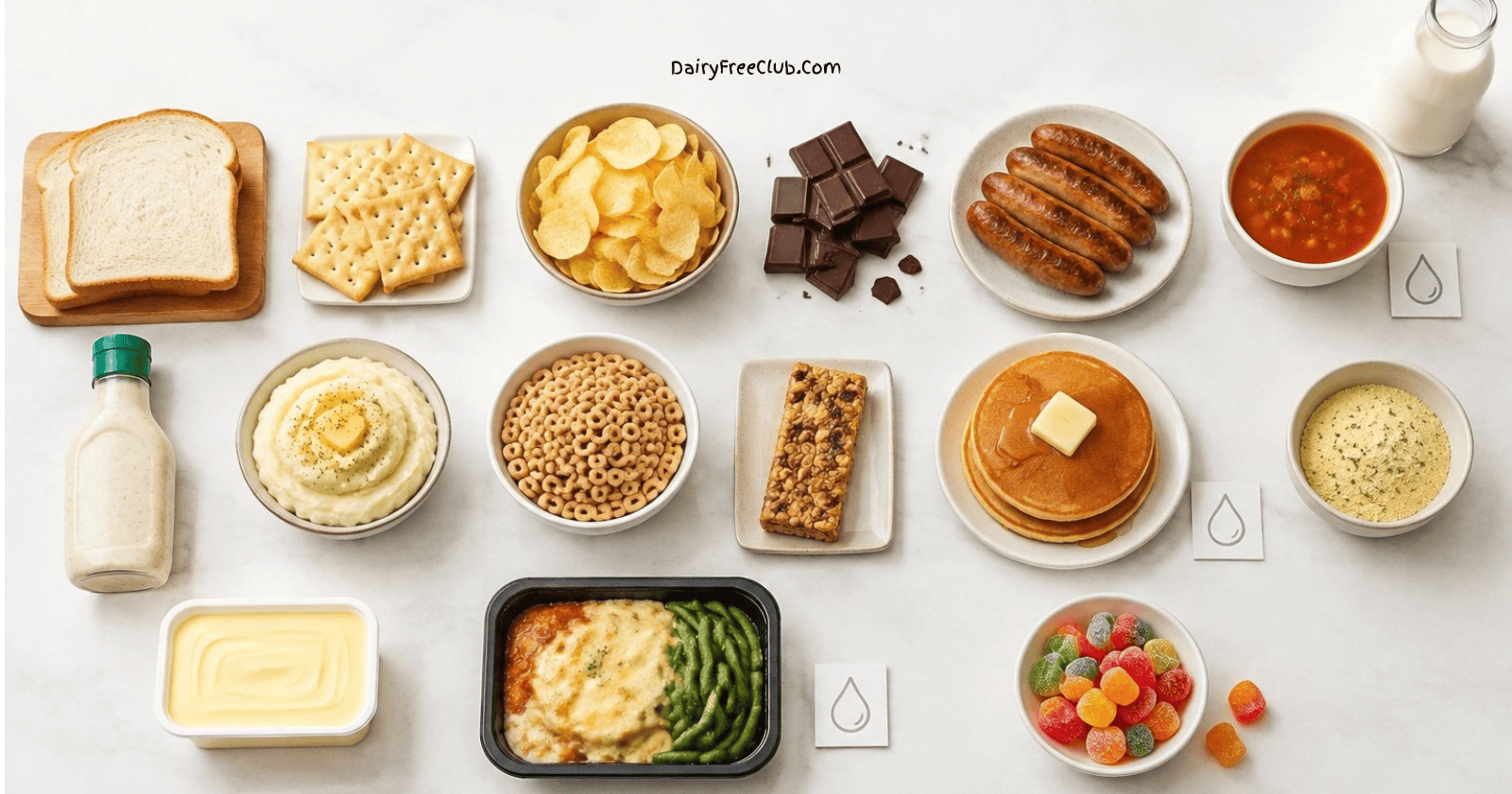
Milk has a sneaky habit of showing up where you’d never think to look. Bread, chips, even dark chocolate — foods that seem perfectly safe can quietly contain whey, casein, or milk powder.
That’s why I put together this list of 15 foods you didn’t know contain milk, so you can spot hidden dairy before it ends up in your cart.
Whether you’re managing a milk allergy, eating vegan, or simply trying to cut dairy from your diet, this guide will help you catch what’s hiding in plain sight.
1) Packaged Sandwich Bread
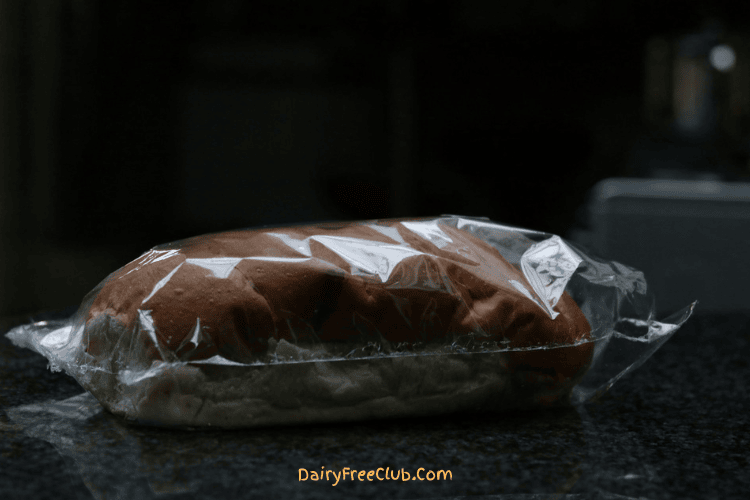
You’d think bread is just flour, water, yeast, and salt. You would be surprised: a lot of packaged sandwich bread includes milk powder, whey, or butter to make the crumb softer and the crust browner.
This is common in soft white breads, potato breads, and some brioche-style buns. Bread is genuinely one of the more surprising places dairy turns up.
Not every loaf has milk, though. Many artisan-style or vegan breads skip it entirely. The only way to know for sure is to flip the bag over and check the ingredient list and allergen statement, since recipes can change between brands and even between flavors from the same brand.
2) Non-Dairy Coffee Creamer

Here’s a weird one: “non-dairy” doesn’t always mean milk-free. A lot of non-dairy creamers contain sodium caseinate, which is a milk protein.
The word “non-dairy” technically just means the product doesn’t have enough lactose to count as dairy under labeling rules. It doesn’t mean the product is free of milk proteins. This is one of the hidden dairy ingredients worth watching for if you have a true milk allergy.
If you have a milk allergy rather than lactose intolerance, sodium caseinate can still trigger a reaction. Always check the allergen line at the bottom of the ingredient list, since that’s required to call out milk directly.
3) Canned Tuna
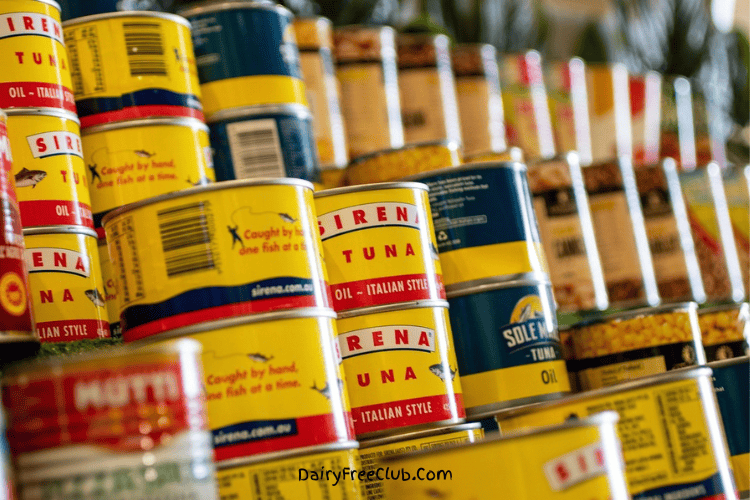
Canned tuna surprises a lot of people because fish and dairy don’t seem like they’d mix. But some brands add hydrolyzed caseinate, a milk protein, to help the tuna hold its texture and moisture during canning.
This isn’t every can, and it isn’t every brand. Some tuna is packed in water or oil with no dairy at all. Canned tuna is genuinely one of those foods people don’t expect to contain milk.
If you or your child has a milk allergy, check the label every single time, even if you’ve bought that exact can before. Formulas and suppliers can change without much notice, and a brand that was milk-free last year might not be this year.
4) Deli Turkey and Ham
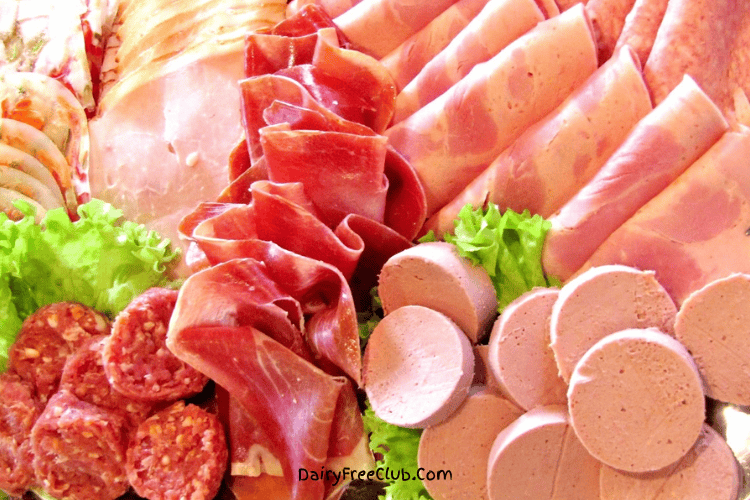
Deli meats can contain milk protein because it helps bind the meat and keep slices moist. Whey and caseinates show up in some turkey, ham, and roast beef products at the deli counter and in packaged lunch meat.
This is especially true for lower-sodium or “lite” versions, where milk protein sometimes helps replace texture lost from cutting salt. Some flavored or honey-glazed deli meats use milk-based ingredients too.
Deli counters carry a real risk of cross-contact, since the same slicer often handles cheese and meat. If you’re managing a milk allergy for a child’s lunch, ask the deli staff directly about ingredients and whether the slicer is cleaned between products. Packaged deli meat from the refrigerated aisle usually has a clearer label to check.
5) Hot Dogs and Sausages
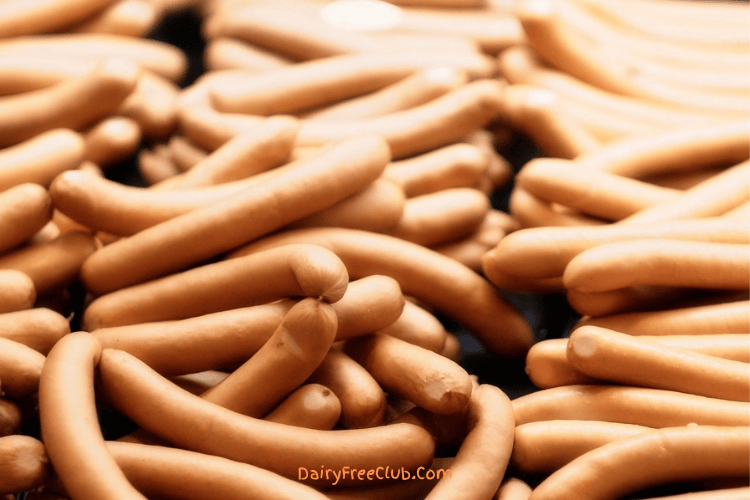
Hot dogs and sausages sometimes use milk solids or whey as a filler and binder. This helps the meat hold together and stay juicy after cooking.
Hot dogs are one of the everyday foods that can carry hidden dairy. It’s not universal, though. Plenty of hot dog brands are milk-free, especially those marketed as allergy-friendly or kosher for meat products (which can’t mix meat and dairy at all).
Turkey dogs and breakfast sausages are worth extra attention, since dairy-based binders show up there too. Cooking at home doesn’t remove the milk protein, so the only real check is reading the package before you buy, not after you grill.
6) Instant Mashed Potatoes
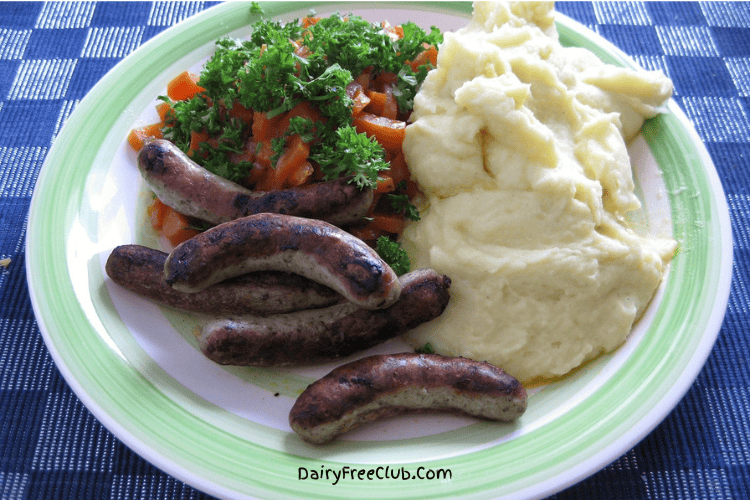
Instant mashed potato flakes often include milk powder or whey right in the mix, even the ones that just say “potatoes” on the front of the box. That’s because milk powder helps create the creamy texture you’d normally get from real butter and milk.
Some brands make a plain, milk-free version alongside a “creamy” or “buttery” version, so the name on the box matters. Flavored pouches, like cheddar or sour cream and onion, almost always contain milk ingredients.
If a recipe calls for you to add your own milk and butter to the flakes, that’s actually a good sign the flakes themselves might be dairy-free. Still, check the ingredient list, since formulas vary by brand and even by region.
7) Protein and Meal-Replacement Bars
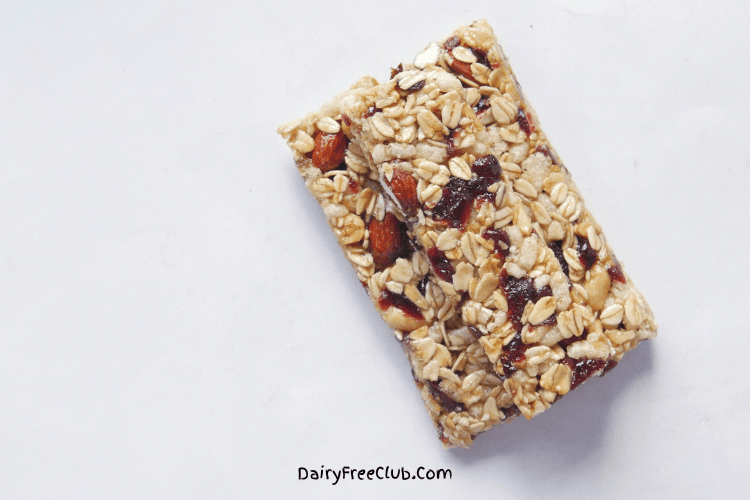
Protein bars lean on milk-derived ingredients like whey protein concentrate, milk protein isolate, or casein to hit their protein numbers. This is one of the most common places milk hides for people who don’t expect it, since bars get marketed around fitness, not dairy.
Even bars that taste like peanut butter, chocolate chip, or oatmeal can be built on a whey protein base. Some brands offer pea- or soy-protein versions specifically for people avoiding milk, but you have to look for that labeling.
Meal-replacement shakes and bars marketed for weight management often use milk protein too, since it’s cheap and boosts protein content. The allergen statement on these products is usually easy to find, so check it before adding a new bar to your routine.
8) Potato Chips and Cheese-Flavored Snacks
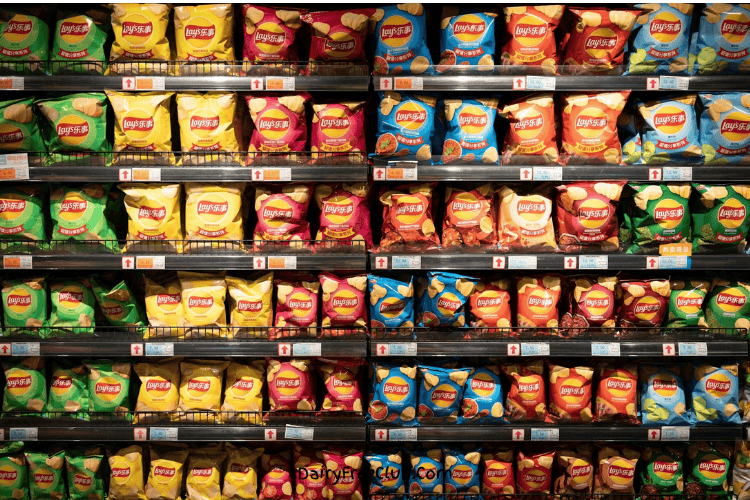
Cheese-flavored chips and snacks obviously contain milk, but even some chips without an obvious cheese flavor can too. Sour cream and onion, ranch, barbecue, and “loaded baked potato” flavors often use milk-based powders, buttermilk, or cheese powder for their taste.
This one probably isn’t shocking once you think about it, but the surprise is how many “flavor dust” snacks use milk as a base even when the name doesn’t mention cheese or cream. Flavored snack foods are a common carrier of hidden dairy.
Plain, salted chips are usually the safest bet, but “plain” doesn’t guarantee anything by itself. Check the seasoning listed in the ingredients, since some “plain” chips are seasoned with a light dairy-based coating for flavor enhancement.
9) Taco Seasoning and Gravy Mixes
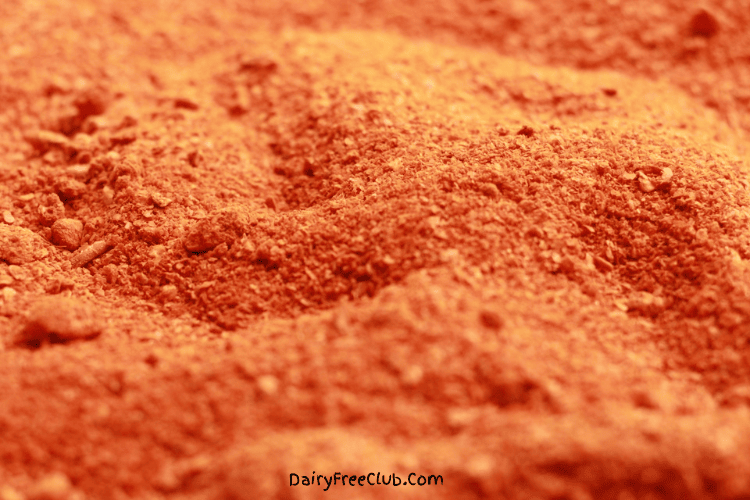
Taco seasoning and gravy mix packets sometimes include whey, milk solids, or buttermilk powder to round out the flavor and add a creamy mouthfeel. This surprises people because these are spice blends, not dairy products by name.
Cream-based gravy mixes are the obvious risk, but even some basic brown gravy and taco seasoning packets use milk derivatives as a flavor carrier or anti-clumping agent. Seasoning packets are often on the list of foods that need a second look for hidden milk.
Homemade seasoning blends made from individual spices in your own pantry sidestep this risk completely. If you’re buying a premade packet, scan the ingredient list for whey, milk, casein, or buttermilk solids before adding it to ground beef or turkey.
10) Bottled Salad Dressings
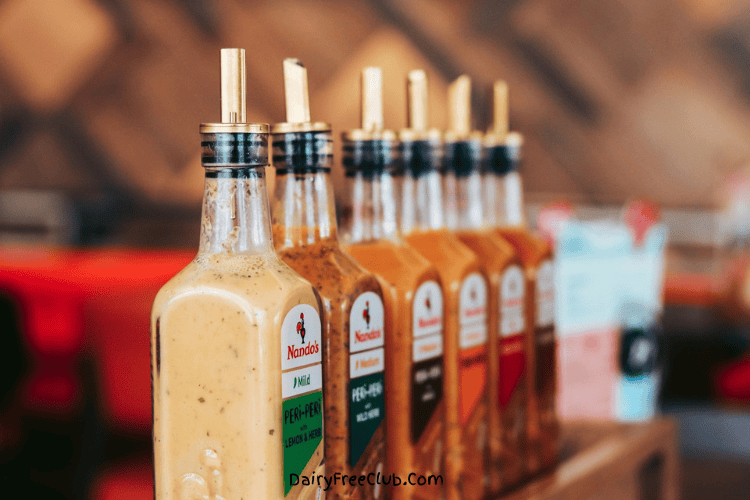
Salad dressings can carry milk even in flavors that don’t sound creamy at all. Ranch and Caesar are obvious, but some vinaigrettes and Italian dressings use buttermilk powder or milk solids as an emulsifier to keep oil and vinegar from separating.
Milk proteins help thicken and stabilize the dressing so it pours smoothly instead of clumping. Blue cheese dressing is a given, but many people don’t expect it in a light vinaigrette.
Reading the ingredient panel matters more than trusting the dressing’s name or color. A creamy-looking dressing isn’t always dairy-based (some use egg or soy for that texture), and a thin, oily dressing isn’t always dairy-free. The label settles it either way.
11) Dark Chocolate and Chocolate Candy
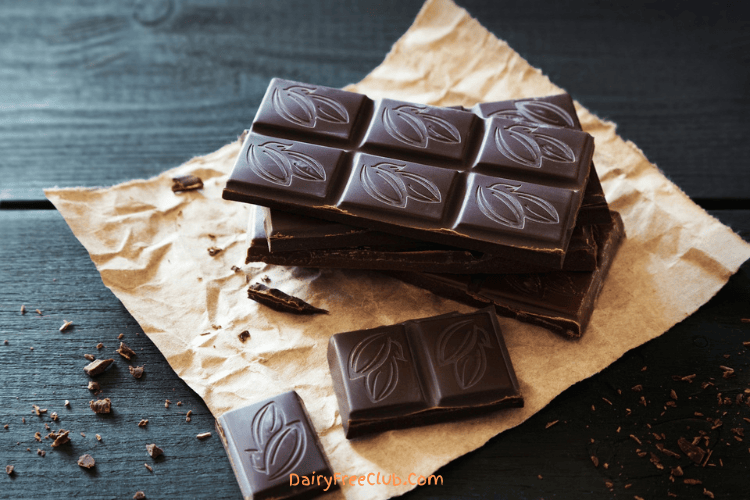
You already know milk chocolate has dairy. Dark chocolate is the surprising one, and it catches a lot of people off guard.
Even dark chocolate bars can contain milk through shared factory equipment or as a minor ingredient like milk fat or whey added for smoothness. Many dark chocolate wrappers carry a “may contain milk” warning even when milk isn’t listed as a direct ingredient. Chocolate candy is a frequent source of confusion when it comes to hidden milk.
For a true milk allergy, that “may contain” warning is a real signal to take seriously, not just fine print. Brands that produce dedicated dairy-free chocolate on separate lines are worth seeking out if cross-contact is a serious concern for you or your child.
12) Frozen French Fries
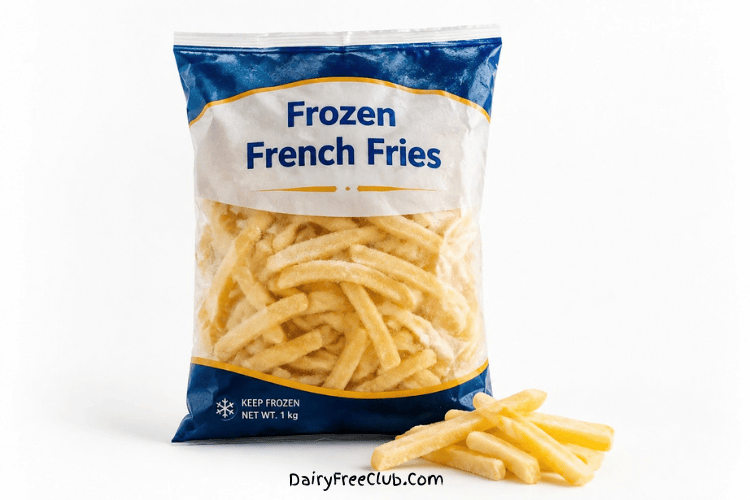
Plain-looking frozen fries can contain milk as part of their coating or seasoning. Some brands use a light milk-based batter or a dusting of milk derivatives to help the fries crisp up and brown evenly in the oven or fryer.
Flavored fries, like seasoned curly fries or waffle fries with a coating, are more likely to carry milk than a basic straight-cut fry. Restaurant fries add another layer of risk, since many fast-food chains fry their fries in the same oil used for breaded, dairy-containing menu items.
At home, check the bag’s ingredient and allergen list before you buy. At a restaurant, ask directly whether the fries share a fryer with cheese sticks or other dairy items, since shared oil can carry milk protein even if the fries themselves don’t list it.
13) Breaded Chicken Nuggets and Fish Sticks
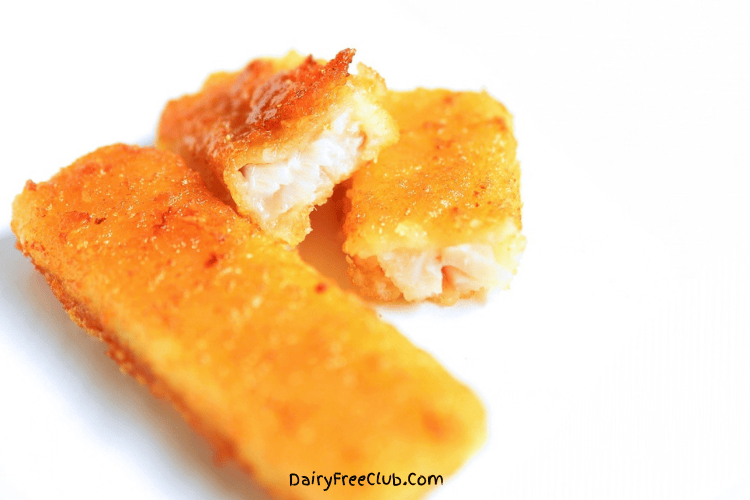
Breaded chicken nuggets and fish sticks often use milk in the batter or coating, not just in a dipping sauce. Buttermilk is a common batter ingredient because it helps the breading stick and adds flavor.
This applies to store-bought frozen nuggets, restaurant chicken tenders, and fish sticks alike. Even “original” or “plain” breaded coatings can include whey or milk powder as part of the seasoning blend baked into the crust.
Restaurant versions carry extra uncertainty, since recipes and suppliers vary by location. If you’re ordering for a child with a milk allergy, ask the restaurant staff directly about the batter ingredients rather than assuming a plain-sounding chicken tender is automatically milk-free.
14) Pancake, Biscuit, and Muffin Mixes
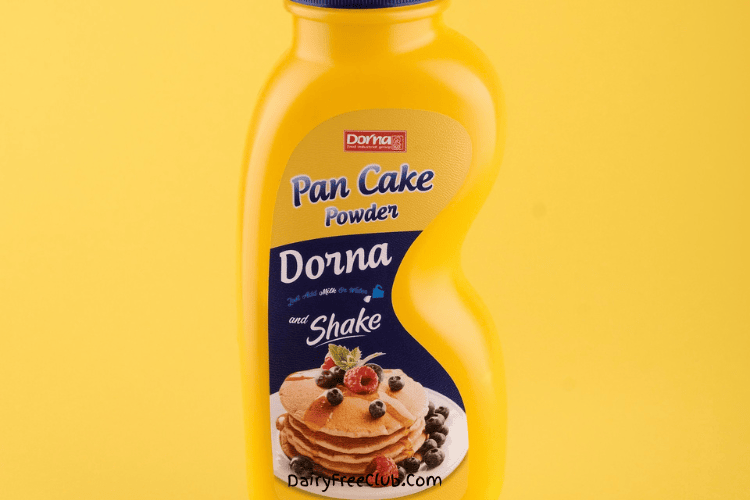
Boxed pancake, biscuit, and muffin mixes frequently include dried milk or buttermilk powder right in the dry ingredients. This gives the batter a richer flavor and helps baked goods brown nicely.
Even mixes where you only add water still might have milk built into the powder itself, since the manufacturer accounts for that step in the recipe. “Buttermilk” pancake mix is the obvious tell, but plain pancake and biscuit mixes carry milk powder too.
Muffin mixes with a glaze packet or streusel topping add another layer, since those extras sometimes include butter or milk solids separately from the base mix. Check both the mix and any add-in packet before baking, since they’re often labeled as if they’re one product.
15) Prepared Soups and Chowders
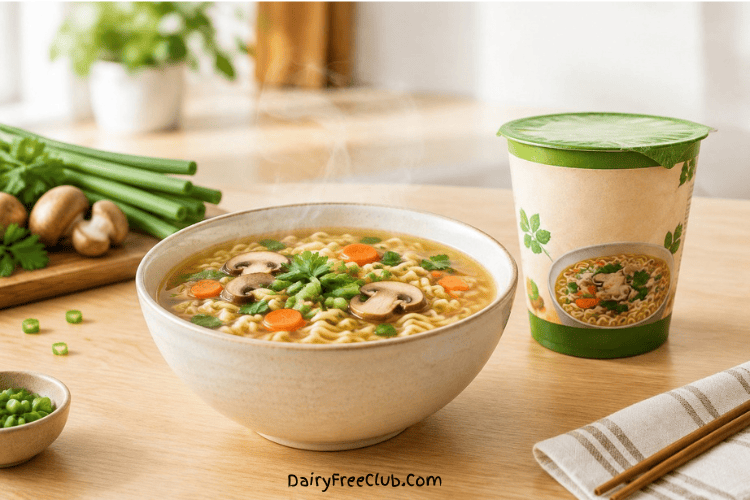
Prepared soups go beyond the obvious cream-based chowders and bisques. Some tomato soups, vegetable soups, and broths use milk powder, cream, or butter to smooth out the flavor, even when the name doesn’t suggest anything creamy.
Canned and boxed soups vary a lot by brand, so a “cream of” label is an obvious warning, but a broth-based vegetable soup isn’t automatically safe. Restaurant soups carry even more uncertainty, since chefs often add butter or cream as a finishing touch that never makes it onto a printed menu description.
Ask your server directly if you’re ordering soup while avoiding milk, and don’t assume a clear broth is dairy-free. Kitchens sometimes enrich stocks with butter behind the scenes.
Milk Ingredients to Spot on Food Labels
Milk hides behind a lot of names that don’t sound like milk. Knowing these terms is the fastest way to catch hidden dairy before it ends up in your cart.
Watch for these common ones on ingredient lists:
- Whey (including whey protein concentrate and whey protein isolate)
- Casein and caseinates (like sodium caseinate or calcium caseinate)
- Milk solids and nonfat milk solids
- Lactose and lactalbumin
- Buttermilk and buttermilk powder
- Milk powder and dry milk
- Ghee and butter fat
Keeping a longer reference list of hidden milk sources handy, whether printed or saved on your phone, can help. Under U.S. law, milk is one of the major allergens that must be listed clearly in plain English, usually in a “Contains: Milk” statement below the ingredients. That statement is your fastest, most reliable check.
Why Lactose-Free and Non-Dairy Labels Can Be Misleading
“Lactose-free” and “non-dairy” don’t mean the same thing as “milk-free.” Lactose-free products remove or break down the lactose sugar, but they can still contain milk proteins like casein and whey.
This matters a lot if you have a true milk allergy instead of lactose intolerance. Lactose-free products are often just regular dairy products with the lactase enzyme added, so the allergy-triggering proteins stay right where they were.
“Non-dairy” has a similar gap. Under U.S. labeling rules, a product can be called non-dairy if it doesn’t contain enough lactose to matter, even if it has casein or other milk proteins listed in the ingredients. Coffee creamers are the classic example of this mismatch.
For lactose intolerance, lactose-free products usually work fine since the problem sugar is gone. For a milk allergy, both “lactose-free” and “non-dairy” labels need the same careful ingredient check as any other product, since neither term guarantees the food is safe.
How to Check Packaged and Restaurant Foods for Milk
Start with the “Contains” allergen statement, since it’s the fastest and most reliable check on any packaged food. U.S. law requires milk to be listed there in plain language if it’s an ingredient, which saves you from having to decode ingredient names every time.
Next, scan the full ingredient list for the terms covered earlier, like whey, casein, and milk solids, since some products list milk-derived ingredients without repeating “milk” in the allergen line word-for-word. Also check for “may contain milk” warnings, which cover shared equipment and cross-contact risk rather than an actual ingredient.
For restaurant food, labels don’t exist, so the approach changes:
- Ask if the item is fried in the same oil as breaded or cheese-topped foods
- Ask whether sauces, seasoning blends, or batters include butter, cream, or milk powder
- Ask if the kitchen can prepare the item without a dairy-based garnish or finishing touch
Formulas and recipes change over time, even for products you’ve bought before. Reading labels needs to be a habit, not a one-time check, since manufacturers can swap suppliers or recipes without much warning.
Frequently Asked Questions
Does bread usually contain milk or eggs?
Many packaged breads contain milk in the form of milk powder, whey, or butter, added for softness and browning. Eggs show up less often in basic sandwich bread but appear more in brioche, challah, and egg-based rolls, so check both the ingredient list and allergen statement.
What does “contains milk” mean on a food label?
“Contains milk” is a required allergen statement under U.S. law that tells you the product includes milk as an ingredient in some form. It appears in plain language below the ingredient list specifically so people with milk allergies don’t have to decode technical ingredient names.
Are lactose-free foods safe for someone with a milk allergy?
Lactose-free foods are not automatically safe for a milk allergy, since they usually still contain milk proteins like casein and whey. Lactose-free products just have the lactase enzyme added to break down the milk sugar, not the allergy-triggering proteins.
Can canned tuna contain milk?
Yes, some canned tuna brands add hydrolyzed caseinate, a milk protein, to help control texture and moisture during canning. Not every brand does this, so checking the label on canned tuna is worth the extra few seconds, especially for kids with a milk allergy.
Which milk ingredients should I avoid if I have a cow’s-milk allergy?
Avoid whey, casein, caseinates, milk solids, milk powder, buttermilk, lactalbumin, and ghee if you have a cow’s-milk allergy. These are milk-derived ingredients that can trigger a reaction even when the word “milk” doesn’t appear directly in the ingredient name.
More Reading:

I’m Simone, and I’m here to make your dairy-free journey simple, enjoyable, and delicious! Whether you’re lactose intolerant, have a dairy allergy, or are exploring a plant-based lifestyle, Dairy Free Club is your go-to resource for finding the best dairy-free alternatives.
Join me as we uncover the tastiest dairy-free products, easy meal ideas, and expert tips to help you navigate a dairy-free lifestyle with confidence.