
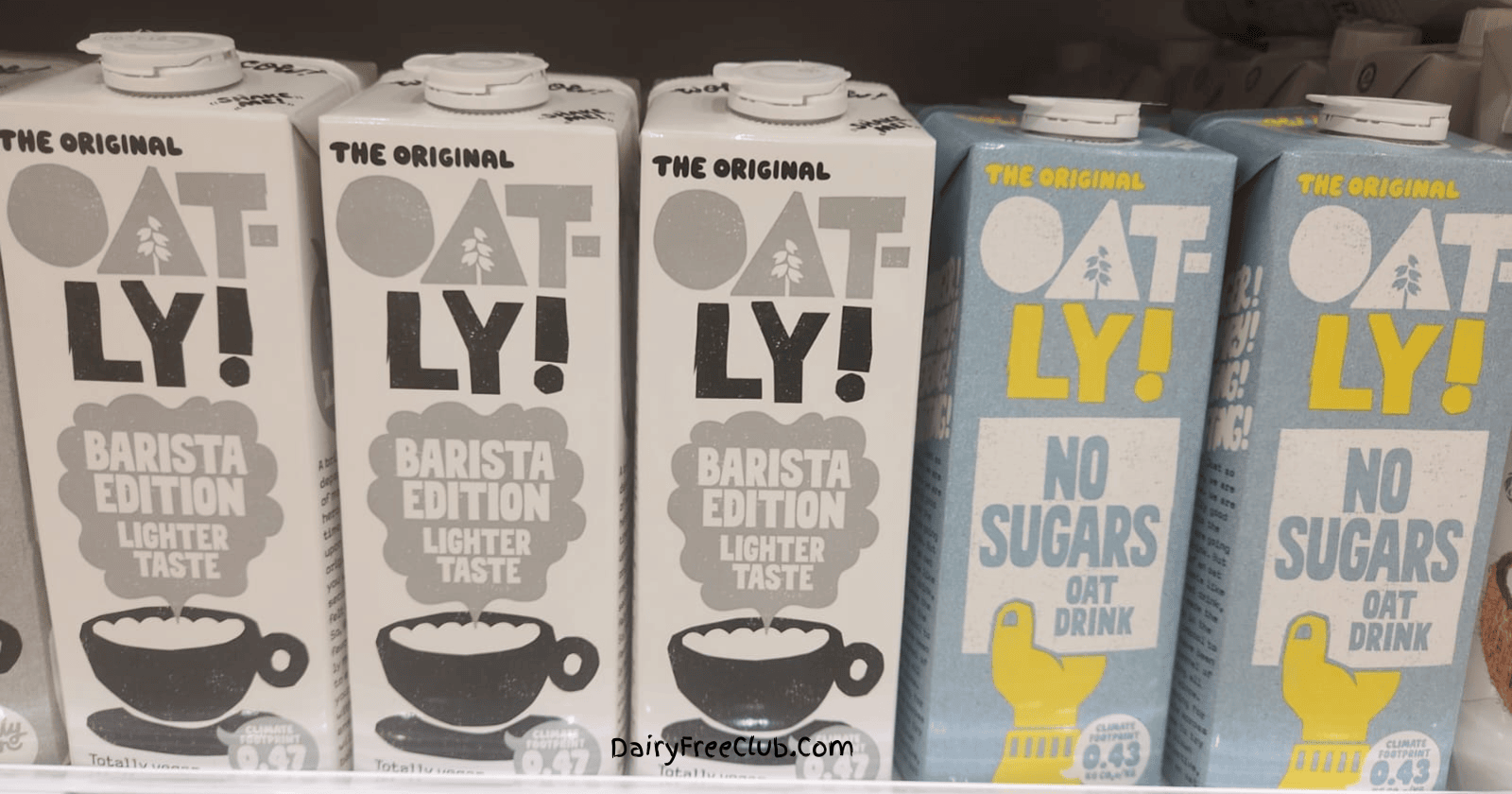
If you’ve ever stood in the grocery aisle staring at a wall of plant-based cartons and felt completely overwhelmed, believe me, I’ve been there.
When I first moved away from dairy, I was lost in a sea of different nuts, grains, and seeds, not knowing which one would actually taste good in my coffee or hold up in my cooking.
I’ve spent a lot of time reading labels and testing different varieties to see what actually works. To help you skip the trial and error, I’ve put together this Beginner’s Guide to Dairy-Free Milk Alternatives.
Whether you are looking for the creamiest texture, the highest protein, or the cleanest ingredients, here is my personal breakdown of what you can expect from each one.
Contents
- Popular Types of Dairy-Free Milk Alternatives
- How to Choose Milk Alternatives
- Organic milk or simple milk alternatives
- Best Milk Alternative Brands
- DIY vs. Store-Bought: Which Is Better?
- Final Words!
- Frequently Asked Questions
- What are some popular dairy-free milk options for beginners to try?
- How do I substitute dairy milk for plant-based milk in recipes?
- Can you suggest which dairy-free milks are best for coffee, baking, or cereal?
- What are the nutritional differences between dairy milk and plant-based alternatives?
- Are there any allergen concerns I should be aware of with dairy-free milks?
- How do I store different types of dairy-free milks, and how long do they last?
Popular Types of Dairy-Free Milk Alternatives
You will see differences in taste, texture, and nutrition among dairy-free milks. These options cover the most common choices and what you can expect from each one.
Almond Milk
Almond milk is made from almonds blended with water and then strained. It has a light texture and a mild, slightly sweet taste. Many people choose it because it’s tasty and works well with cereal or smoothies.
Most almond milk is low in calories but also low in protein. Many brands add vitamins like calcium and vitamin D. You should check labels, since some versions add sugar or flavors, and some even oil.
Best to use for: Almond milk works great for cold drinks, light baking, and simple meals.
Nutrition: Most almond milk is very low in calories, making it a favorite for weight management. It is naturally high in Vitamin E, an antioxidant. However, it is quite low in protein. Many brands fortify it with calcium and Vitamin D to help it compete with dairy.
Soy Milk
Soy milk comes from soaked and ground soybeans. It has a thicker texture and a neutral flavor that looks more like dairy milk. Many people use it as a direct swap for cow’s milk.
Soy milk stands out because it contains more protein than most plant-based milks. It also has iron and often comes fortified with calcium. Some people avoid soy due to allergies, so that matters when cooking for others.
Best to use for: Soy is great to use in soups, sauces, ice creams, and baking without big changes.
Nutrition: Soy milk is one of the few plant milks that offers a similar amount of protein to cow’s milk, usually providing about 7–8 grams per cup. Most brands are fortified with calcium, vitamin D, and vitamin B12. It is naturally low in saturated fat and contains no cholesterol.
Top Brands:
Oat Milk
Oat milk is made by soaking and blending oats with water. It tastes slightly sweet and has a very creamy texture when it contains a high percentage of oats (some brands add more water than oats). Brands like Oatly helped make it common in coffee shops.
Oat milk froths well, which makes it a favorite for lattes. It has more carbs than almond or soy milk, so it feels richer but less protein-rich.
Best to use for: You may like oat milk best in coffee, oatmeal, and warm drinks.
Nutrition: Oat milk is higher in carbohydrates and natural sugars than most nut milks, which is where that creamy texture comes from. It often contains a bit of fiber (beta-glucan), which is great for heart health, though it has less protein than soy.
Top Brands:
Coconut Milk
Coconut milk comes from grated coconut meat and water. It has a bold coconut flavor that stands out in food. You often see it in curries, soups, and stews.
Canned coconut milk is thick and high in fat. It can separate, which is normal. Shake the can or stir it before use. Many recipes also use coconut cream, which is even thicker and works well in desserts.
Carton coconut milk drinks more like regular milk. It has fewer calories and less fat. Some brands add coconut oil for a smoother texture. Check labels, since sugar and gums vary by brand.
Best to use for: Savory cooking, creamy sauces, and dairy-free ice cream.
Nutrition: Canned coconut milk is high in saturated fats, specifically medium-chain triglycerides (MCTs), which some people use for quick energy. Carton versions are much more diluted and lower in calories, but they generally offer very little protein.
Top Brands:
Cashew Milk
Cashew milk is made by blending soaked cashews with water. This process gives it a smooth and creamy texture without a strong nut taste. It works well if you want a mild flavor.
You can use cashew milk in both sweet and savory dishes. It thickens sauces better than many other nut milk options. Many people use it for dairy-free cream sauces and soups.
Store-bought versions may include oils or thickeners. Homemade cashew milk avoids this and blends easily, since cashews soften well. It also works well as a base for cheese-style spreads.
Best to use for: Sauces, soups, coffee, and creamy pasta dishes.
Nutrition: Cashew milk is usually low in calories but provides heart-healthy unsaturated fats. While it doesn’t have as much protein as soy, it is often fortified with a wide range of vitamins like A, D, and B12.
Top Brands:
Rice Milk
Rice milk comes from milled rice and water. It tastes mild and slightly sweet. This makes it easy to drink plain or use in cereal.
Rice milk has a thin texture. It does not cream or thicken like coconut or cashew milk. Because of this, it works best in light recipes.
It is free from nuts, soy, and gluten. This makes it a safe choice if you manage multiple food allergies. It often contains added vitamins, since rice milk has little protein or fat.
Best to use for: Cereal, smoothies, and baking with mild flavors.
Nutrition: Since it’s made from grain, rice milk is the highest in carbohydrates and sugars among the alternatives. It is very low in protein and fat, so it’s almost always fortified with calcium and vitamins to boost its profile.
Top Brands:
Flax Milk
Flax milk is made by blending flaxseeds with water. It has a thin, smooth consistency and a slightly nutty, earthy flavor. It is a popular choice for those looking to increase their intake of Omega-3 fatty acids, as flaxseeds are a great plant-based source of these healthy fats.
Most flax milk is low in calories and free from common allergens like nuts, soy, and gluten. While it is naturally low in protein, many brands offer “protein-boosted” versions that have pea protein added to them.
Best to use for: Flax milk works well in smoothies, poured over cereal, or used in light baking where you don’t want a heavy flavor.
Nutrition: The star here is the Omega-3 fatty acids (ALA), which are great for reducing inflammation. It is naturally very low in calories and sugar-free in its unsweetened form. Many brands add pea protein to boost nutrition.
Top Brands:
Macadamia Milk
Macadamia milk is known for being one of the creamiest dairy-free options available. It has a rich, buttery taste that feels more indulgent than almond or rice milk. Despite its creamy texture, it is usually quite low in calories and carbohydrates.
Because macadamia nuts are high in healthy monounsaturated fats, the milk has a smooth mouthfeel that mimics full-fat dairy. It is often more expensive than other nut milks but is highly regarded for its premium taste.
Best to use for: Macadamia milk is excellent in coffee, hot chocolate, and rich desserts like puddings.
Nutrition: It is rich in monounsaturated fats, which are excellent for heart health. It is generally very low in carbohydrates and calories, making it a popular choice for those on keto or low-carb diets.
Top Brands:
Milkadamia Milk Macadamia Original
Hemp Milk
Hemp milk is made from the seeds of the hemp plant. It has a distinct, nutty, and slightly grassy flavor that some people find takes time to get used to. It has a texture that is thicker than rice milk but thinner than soy.
Nutritionally, hemp milk is a solid choice because it contains high-quality plant protein and essential fatty acids (Omega-3 and Omega-6). It is also a great “allergy-friendly” option since it is free from soy, nuts, and gluten.
Best to use for: Hemp milk is best used in savory dishes, smoothies with strong fruit flavors, and as a creamy base for lattes.
Nutrition: Hemp is a nutritional “super-milk” because it contains all essential amino acids, making it a complete protein. It’s also a fantastic source of Omega-3 and Omega-6 essential fatty acids in the ideal ratio for human health.
Top Brands:
Pacific Foods Original Hemp Milk
How to Choose Milk Alternatives
With so many options on the shelf, picking the right one depends on your health goals and how you plan to use it. If you want something for coffee, look for “Barista Edition” labels, as these are designed to froth better. If you are looking for a meal replacement or a post-workout drink, soy or pea-protein milks are your best bet for protein content.
Check Labels – what to avoid? When buying store-bought milk, the ingredient list is your best friend. Many brands add “fillers” to improve the texture or shelf life. So before you buy any milk alternative, try to avoid:
- Added Sugars: Look for “Unsweetened” on the front of the carton. Terms like “Original” often mean sugar has been added.
- Thickeners and Gums: Ingredients like carrageenan, guar gum, or xanthan gum can cause digestive upset for some people.
- Added Oils: Some brands add sunflower or rapeseed oil to make the milk creamier, which adds unnecessary processed fats.
Organic milk or simple milk alternatives
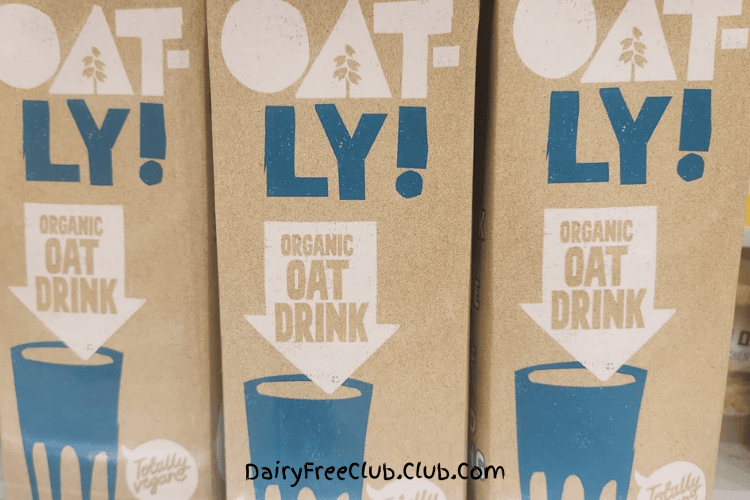
To be honest, I’ve become a bit of a minimalist when it comes to my milk. I always look for organic brands or those with “simple” labels because, in my experience, the best milks really only need two or three ingredients: the base (like almonds or oats), water, and maybe a pinch of sea salt.
I personally stick to organic to make sure the ingredients were grown without synthetic pesticides—this feels especially important to me for crops like soy and oats that I’m pouring into my glass every single day.
Best Milk Alternative Brands
To wrap everything up, knowing which type of milk to buy is only half the battle. The next step is knowing which brands actually stick to those “simple” ingredient lists we talked about.
If you’re like me and you’ve started reading every single label, you’ll notice that many big-name brands are loaded with fillers. If you want the “cleanest” options—meaning no gums, no oils, and no weird thickeners—here are my personal favorite brands that consistently get it right.
1. Malk Organics
Malk is often considered the gold standard for clean milk. Their ingredient list is usually just three things: organic nuts (or oats), filtered water, and Himalayan pink salt.
- Why I love it: You won’t find any carrageenan, gums, or oils here. It tastes very close to something you’d make in your own blender.
- Best for: People who want a truly “whole food” experience.
2. Elmhurst 1925
Elmhurst used to be a traditional dairy farm before they switched to making plant milks, and they do it brilliantly. They use a unique “HydroRelease” method that keeps more of the nutrition from the nuts without needing added thickeners.
- Why I love it: Many of their “Unsweetened” varieties contain only two ingredients: nuts and water. Their Milked Cashews and Milked Walnuts are incredibly creamy despite having zero additives.
- Best for: High protein content and a very smooth texture for coffee.
3. Three Trees
This brand is a bit harder to find (usually in stores like Whole Foods), but it is worth the hunt. They use a much higher concentration of nuts than most brands, which means the milk is naturally thick and nutrient-dense.
- Why I love it: They are 100% organic and never use “natural flavors” or stabilizers. Their Black Sesame Nutmilk is a personal favorite for something unique!
- Best for: Those who want a rich, dense milk that doesn’t feel watery.
4. Forager Project
Forager focuses on organic, plant-based dairy, and their cashew-based milks are excellent. They are very committed to sustainable farming and keeping their products as close to nature as possible.
- Why I love it: Their “Unsweetened Cashew Milk” is very clean and has a great, neutral flavor that works in almost any recipe.
- Best for: Using as a base for savory cooking and creamy soups.
5. JOI (Just One Ingredient)
JOI is a bit different—they sell nut “bases” (pastes) in jars rather than liquid in a carton. You just take a spoonful of the paste, blend it with water, and you have instant milk.
- Why I love it: It’s the ultimate clean option because it’s literally just the nut. It’s also zero-waste because you aren’t paying for the shipping of water or throwing away cartons.
- Best for: Eco-conscious shoppers and people who want to customize how thick their milk is.
6. Califia Farms (The “Organic” Line)
While Califia’s standard line often contains gums to help with frothing, their Organic line is much simpler. Always look for the green “Organic” label to ensure you’re getting the cleaner version.
- Why I love it: It’s more widely available in regular grocery stores than some of the niche brands above, making it a reliable “clean” backup.
- Best for: Convenience without sacrificing too much quality.
A Quick Pro-Tip: Clean milks (like Malk or Elmhurst) might separate in the fridge. Don’t worry—that’s actually a good sign! It means no chemical emulsifiers are holding it together. Just give the carton a good shake before you pour, and you’re good to go.
DIY vs. Store-Bought: Which Is Better?
I sometimes, when I have the time, make my own milk at home, but honestly, it’s a bit of a toss-up depending on the week. DIY milk is surprisingly easy—especially for nut milks like almond or cashew.
While the traditional way is to soak, blend, and strain, I’ve found that using an automatic milk maker makes the whole process way faster and easier. It basically does all the heavy lifting in minutes, and you don’t even have to deal with messy nut milk bags!
The taste is incredibly fresh, and I love having 100% control over the ingredients (no gums or oils!).
However, on the other hand, homemade milk only lasts about 3–4 days in the fridge, and you lose out on the added calcium and Vitamin D that store-bought brands provide.
For my busy weeks, I stick to the “clean” store-bought options for convenience, but when I have my milk maker ready, nothing beats the creamy flavor of a fresh, homemade batch.
Final Words!
At the end of the day, finding the perfect dairy-free milk is really about balancing your lifestyle with your health goals.
Whether you’re looking for the high protein of soy, the creamy luxury of oat, or the pure simplicity of a homemade batch from your milk maker, there’s definitely an option out there that will make you forget all about traditional dairy.
My biggest piece of advice is always keep an eye on those labels—once you find that one brand or DIY recipe that hits the spot, you’ll never look back.
Frequently Asked Questions
You can choose from many plant-based milks, each with different tastes, uses, and nutrients. The answers below cover options, cooking swaps, nutrition, allergens, and storage.
What are some popular dairy-free milk options for beginners to try?
Almond milk, oat milk, and soy milk are easy places to start. They taste mild and work in many foods.
Coconut milk has a richer flavor and works well in smoothies and soups. Rice milk tastes light and sweet, but it has less protein.
How do I substitute dairy milk for plant-based milk in recipes?
You can usually swap dairy milk with plant-based milk in a 1:1 ratio. This works for most baking and cooking.
For savory dishes, choose unsweetened versions. Sweetened milks can change the flavor of sauces or soups.
Can you suggest which dairy-free milks are best for coffee, baking, or cereal?
For coffee, barista-style oat milk or soy milk foams well and tastes smooth. They hold up under heat.
For baking, soy milk and oat milk give the best structure. Almond milk works too, but adds less body.
For cereal, almond milk, and oat milk taste light and clean. Choose based on flavor, not texture.
What are the nutritional differences between dairy milk and plant-based alternatives?
Dairy milk has natural protein, calcium, and vitamin B12. Many plant-based milks add these through fortification.
Soy milk has protein close to that of dairy milk. Almond and oat milk usually have less protein but fewer calories.
Are there any allergen concerns I should be aware of with dairy-free milks?
Some dairy-free milks contain common allergens like nuts or soy. Almond, cashew, and soy milks can cause reactions.
Oat milk may affect people with gluten sensitivity unless it says gluten-free. Always check labels if you have allergies.
How do I store different types of dairy-free milks, and how long do they last?
Shelf-stable cartons last months unopened at room temperature. After opening, store them in the fridge.
Most opened dairy-free milks last 7 to 10 days. Shake before use, and discard if you smell sour or see clumps.
More Reading:

I’m Simone, and I’m here to make your dairy-free journey simple, enjoyable, and delicious! Whether you’re lactose intolerant, have a dairy allergy, or are exploring a plant-based lifestyle, Dairy Free Club is your go-to resource for finding the best dairy-free alternatives.
Join me as we uncover the tastiest dairy-free products, easy meal ideas, and expert tips to help you navigate a dairy-free lifestyle with confidence.